Imagine creating a fictional adult character without hiring a model, arranging a photoshoot, or using professional photography equipment. With an AI image generator, a simple written description can become a detailed digital image within moments. Users can describe physical features, hairstyles, backgrounds, and visual styles, allowing artificial intelligence to produce images based on their instructions.
This technology has become increasingly relevant to digital adult entertainment, including searches for AI skinny nude and AI skinny porn. These terms reflect interest in fictional adult characters and customized visual content. Behind the process are machine-learning models that interpret language, recognize visual patterns, and construct images. Understanding how these systems work explains how ordinary text prompts become personalized digital artwork.
How AI Porn Generators Interpret Text Prompts
The process begins with a text prompt containing instructions about the desired image. An AI system processes these words through a component called a text encoder, which converts language into numerical information that the image-generation model can understand.
For example, a prompt might describe a fictional adult woman with a slim figure, dark hair, and a studio background. Each detail helps establish the subject's appearance and the image's composition. More specific descriptions generally provide clearer instructions than vague requests.
Prompt structure also influences the result. Describing the subject, physical characteristics, lighting, and background separately can help the ai porn image generator interpret the intended composition. This is particularly useful when creating virtual adult models with a specific appearance.
How Diffusion Models Create Images
Many AI image generators use diffusion models. These systems learn visual patterns from training images and use that information to create new pictures. Rather than retrieving an existing photograph, they construct an image through a series of computational steps.
The process generally begins with random visual noise. The model gradually removes this noise, developing recognizable shapes, textures, and objects according to the original prompt. As the process continues, the image becomes increasingly detailed.
Some generators use latent diffusion, which performs calculations in a compressed representation of an image. This reduces computational requirements while preserving important visual information. Stable Diffusion is a well-known example of a model family using this approach.
How Image Settings Influence the Results
Written prompts are not the only factor affecting generated images. Many platforms provide settings for image dimensions, aspect ratios, and visual quality. These controls help determine whether the output is a portrait, square image, or wider composition.
Some generators also support negative prompts, which identify unwanted elements. For example, users may specify that an image should avoid distorted backgrounds, unwanted text, or inconsistent visual details.
Another feature is the random seed, a numerical value that influences the starting conditions of image generation. Reusing a seed can help users compare prompt adjustments more consistently. Image-to-image generation also allows an existing picture to serve as a visual reference for a new composition.
Why AI-Generated Images Sometimes Contain Errors
AI generators do not always reproduce prompts accurately. Common problems include distorted hands, inconsistent body proportions, unusual facial features, and objects that appear incorrectly in the background. These errors occur because models generate images through learned patterns rather than following exact photographic instructions.
Character consistency presents another challenge. Generating the same fictional adult model repeatedly may produce variations in facial features or appearance. Reference images and specialized character models can help maintain a recognizable identity across multiple generations.
Training data also influences image quality. Limitations or biases within the material used to develop a model can affect how different body types and facial characteristics are represented. Consequently, AI-generated skinny porn imagery should not be treated as an accurate representation of real human anatomy.
The Growing Role of Text-to-Image Technology
AI porn image generators demonstrate how written descriptions can become customized digital imagery. By combining language processing, diffusion models, and image settings, these systems allow creators to develop fictional adult characters without traditional photography.
As the technology improves, better image quality and character consistency will expand its applications across digital entertainment. The ability to turn detailed written descriptions into visual content is changing how fictional characters and digital artwork are produced.



Unleashing Fantasy: Find the Best AI Porn Generators with Porndude AI


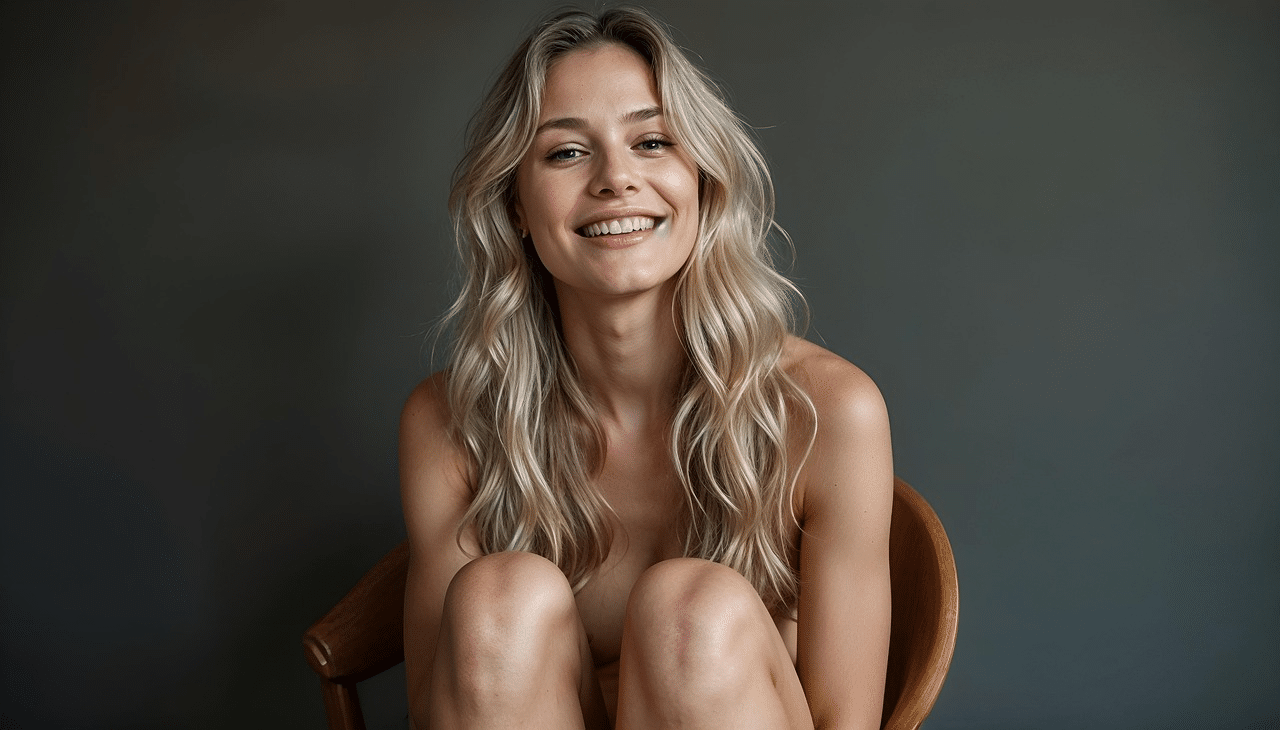
Why AI Porn Generators Feel More Personal Than Traditional Sites


happynortherncouple: Text message from her: Pantiless for you…


sincitycpl69: Guess Who’s Home & Made A Little Text To…


coldweathernudist: She sent me a quick text at lunch to say…


bi-tami-bi: A GF just sent a Text wanting to know if I wanted…


Why Pussy Flash Pics Are Still the Boldest Turn-On on the Internet


The Ultimate Showdown: Free Porn vs Paid Porn – Which Offers Better Quality and Variety?